
Muzyka polska po Szymanowskim to tak naprawdę opowieść o tym, z jakimi trudnościami mierzyli się kompozytorzy od lat 40. do końca lat 90. i jakie miało to efekty. Autor nierozerwalnie wiąże ich twórczość z wydarzeniami, które w tym czasie miały miejsce w Polsce i poza jej granicami. Pokazuje sukcesy prawykonań, dalsze losy utworów oraz ich perypetie, ale przede wszystkim zagłębia się w same dzieła drugiej połowy XX wieku, analizując dogłębnie techniki kompozytorskie, inspiracje oraz dobór instrumentów i głosów. Całość podzielona została na 5 części.
W pierwszej z nich autor analizuje muzykę na tle społeczno-kulturowych wstrząsów w międzywojennej Polsce, okupacji niemieckiej oraz powstania i upadku socrealizmu.
Część II koncentruje się na czasach odwilży i roli Warszawskiej Jesieni.
Część III natomiast jest skupiona wokół serializmu, aleatoryzmu, dodekafonii, minimalizmu, punktualizmu i innych zyskujących wtedy na popularności technik kompozytorskich.
W kolejnej części, oczywiście, pojawiają się kwestie tożsamości narodowej i postmodernistycznego spojrzenia kompozytorów na przyszłość. Ostatnia część, w większości napisana specjalnie do pierwszego polskiego wydania, nakierowana jest na muzykę ostatnich lat, instytucje pielęgnujące polską kulturę muzyczną, nowe technologie oraz próby i możliwości docierania kompozytorów do współczesnych słuchaczy.
Polish Music after Szymanowski is really a story about the difficulties composers faced from the 1940s to the end of the 1990s and what effects this had. The author inextricably links their work with the events that took place in Poland and abroad at the time. He shows the success of the premieres, the subsequent fate of the works and their vicissitudes, but above all he delves into the works themselves of the second half of the 20th century, analysing in depth the composers’ techniques, inspirations and choice of instruments and voices. The whole work is divided into 5 parts.
In the first, the author analyses music against the background of the socio-cultural upheavals in inter-war Poland, the German occupation and the rise and fall of socialist realism.
Part II focuses on the time of the Thaw and the role of the Warsaw Autumn.
Part III, meanwhile, is focused on serialism, aleatorism, dodecaphony, minimalism, punctualism and other compositional techniques gaining popularity at the time.
The next part, of course, deals with issues of national identity and the composers’ postmodern view of the future. The final section, mostly written especially for the first Polish edition, is directed towards the music of recent years, the institutions nurturing Polish musical culture, new technologies and the attempts and possibilities of composers to reach contemporary listeners.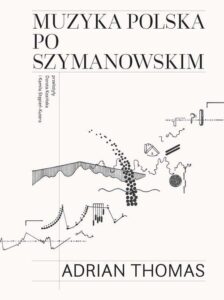
In the first, the author analyses music against the background of the socio-cultural upheavals in inter-war Poland, the German occupation and the rise and fall of socialist realism.
Part II focuses on the time of the Thaw and the role of the Warsaw Autumn.
Part III, meanwhile, is focused on serialism, aleatorism, dodecaphony, minimalism, punctualism and other compositional techniques gaining popularity at the time.
The next part, of course, deals with issues of national identity and the composers’ postmodern view of the future. The final section, mostly written especially for the first Polish edition, is directed towards the music of recent years, the institutions nurturing Polish musical culture, new technologies and the attempts and possibilities of composers to reach contemporary listeners.